Live Osprey Cam
Pete McClain Osprey Cam
The Pete McLain Osprey Cam needs your help to stay online and ad-free. Please consider a gift to keep this nest in view
Osprey and Beach Camera Fundraiser
Help Keep the Beach Cam & Osprey Cam Live and Ad-Free
The Beach Cam and Pete McLain Osprey Cam have become some of the most beloved ways our community stays connected to Island Beach State Park. Keeping these live streams online, however, is also one of the Friends of IBSP’s largest annual expenses.
This year alone, technology and operating costs exceeded $7,500. We’re raising $10,000 to help cover essential equipment, maintenance, repairs, and network upgrades so these cameras can continue sharing the beauty of IBSP for years to come.
Your support also ensures these live streams remain completely ad-free, making them accessible and enjoyable for everyone. Every donation, no matter the size, helps keep this special window into Island Beach State Park open for our entire community.
Thank you for your generosity and support!
Bay and Beau
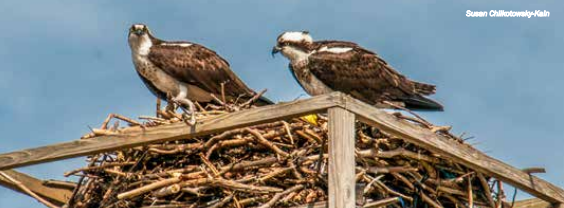
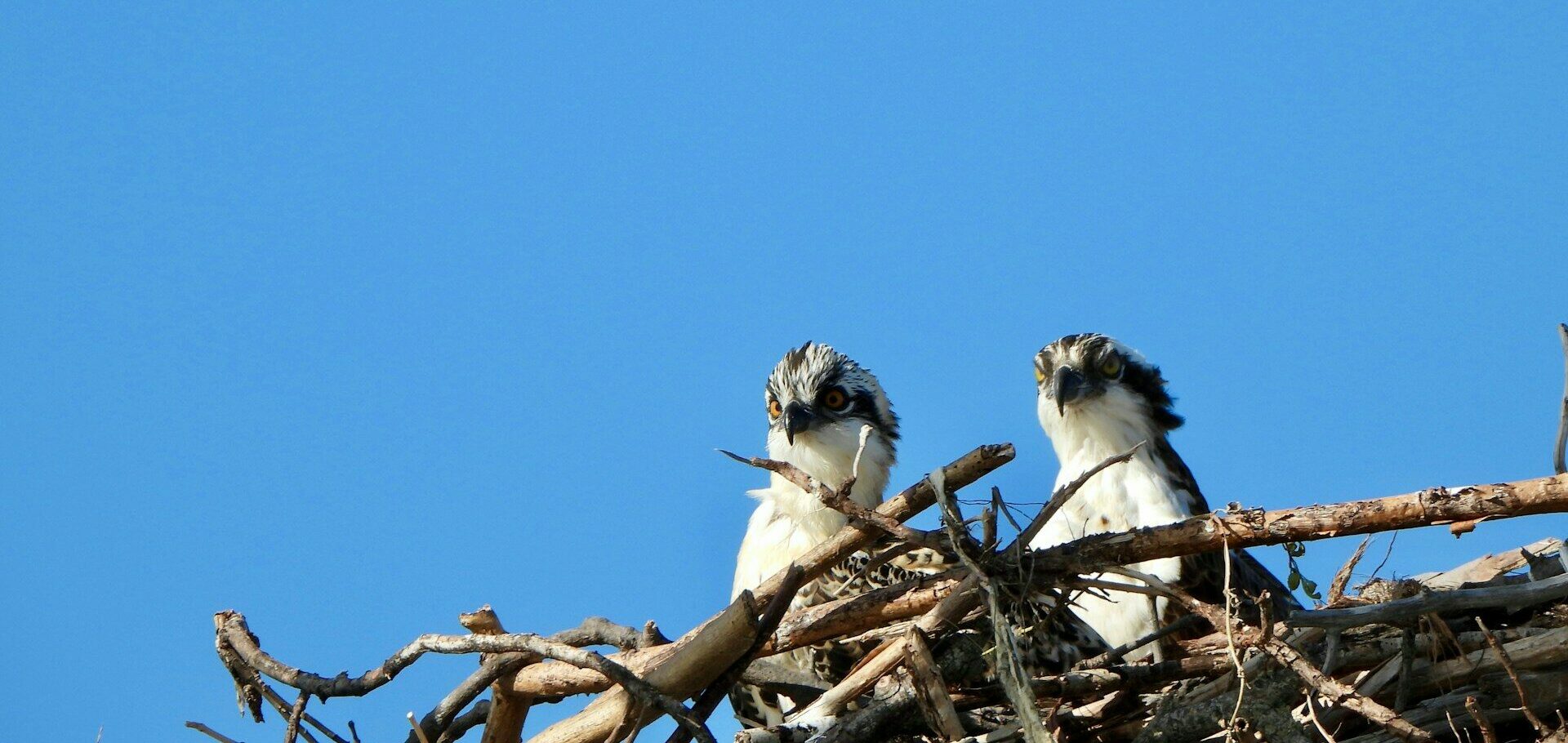
We are fortunate to have about 30 nesting pairs of osprey at Island Beach State Park (IBSP). These birds mate for life and generally return to the same nest year after year.
In the summer of 2014 osprey camera viewers began calling the ospreys in this nest Bay and Bandit. Bay is short for Lady of the (Barnegat) Bay. That summer the original male went missing after a storm rolled through. Bandit arrived at the nest and Bay let him onto the nest and accepted him as a mate. He is a banded osprey who “stole Bay’s heart and the nest” – thus the name Bandit.
In 2022, Bandit did not return to the nest. Bay ultimately accepted a new mate or beau, and was thus named Beau.
Since their diet is almost exclusively fish, one of the major attractions for these birds to our park is the plentiful supply of fish in the bay. Osprey are remarkably well adapted for fishing. They can see a swimming fish from up to 100 feet above water, have rounded talons with backward-facing scales for grasping the fish, barbed pads on their feet, and can rotate their outside toes to grasp fish with 2 toes on each side of the fish. As they take a meal to the nest they generally turn it head first for an aerodynamic approach.
Project RedBand
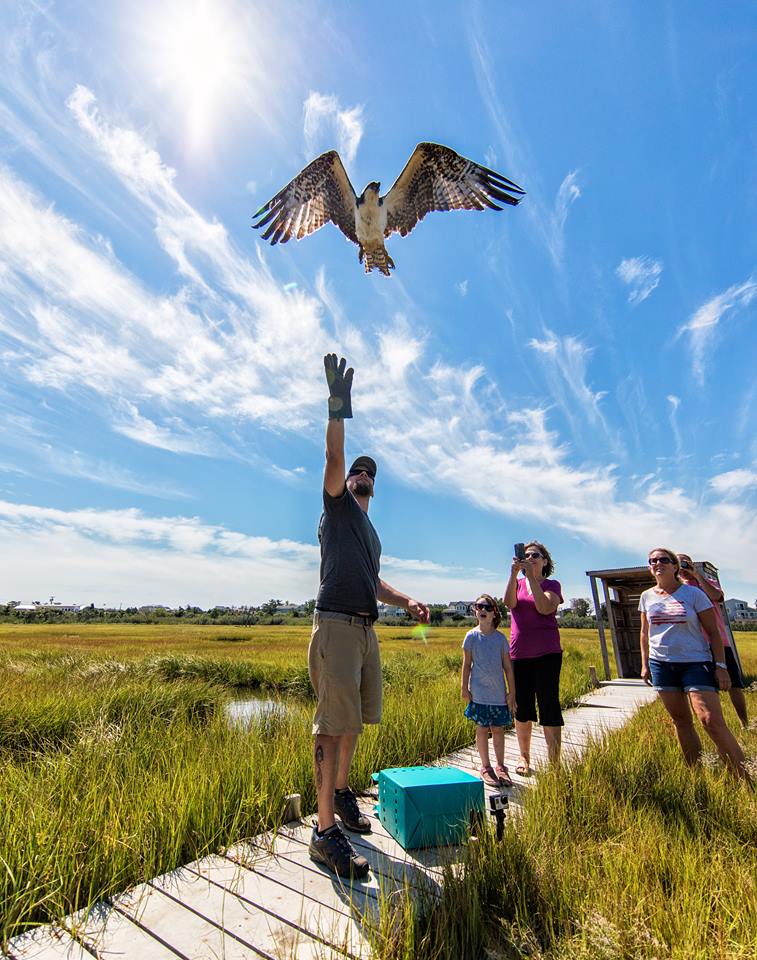
Did you notice the red band on the osprey chick legs? We are fortunate that our chicks are a part of Project RedBand.
Since 2014, we have banded a little over 150 young ospreys with red auxiliary “field readable” bands at nests on Barnegat Bay. Unlike the silver aluminum USGS bands, the red bands are readable on birds when they are alive.
The main goals of Project RedBand are to engage the public in osprey management and conservation along the Jersey Shore. At the same time, while collecting data from re-sightings, we will learn about their dispersal, foraging habits, site fidelity, migration routes, and their life span.
Pete McLain Osprey Nest Camera
The nest and osprey camera are named in honor of Paul D. "Pete" McLain (1926-2014). Pete was a conservationist, hunter, fisherman, writer, and former deputy director of the NJ Division of Fish, Game and Wildlife. His work to bring the osprey back from the brink of extinction is legendary.
Let the sight of the osprey in the park serve as a reminder of the powerful impact each of us can have on our environment.
Learn more about Pete McLain's work in this video.
Help Protect Island Beach
Your donation supports conservation, education, and community programs that keep Island Beach State Park thriving for generations to come.